
Running on Empty Before December: Managing Seasonal Shifts and End-of-Year Burnout
By the time late November rolls around, a strange cultural collision happens. Outside, the sun starts setting before five o’clock, the air turns sharp, and every instinct in your body is quietly asking you to slow down and hibernate. Meanwhile, the calendar demands the exact opposite. Between year-end deadlines, financial stress, travel logistics, and the sudden pressure to feel endlessly festive, it is completely normal to hit December feeling like you are already running on fumes.

If you have been unusually tired, irritable, or unmotivated over the past few weeks, you are not alone, and you are not failing at time management. Late autumn brings a very real overlap between chronic end-of-year burnout and biological seasonal shifts. Understanding what is happening under the hood makes it a whole lot easier to take care of yourself without burning out completely before the new year even starts.
Why Late November Hits So Hard
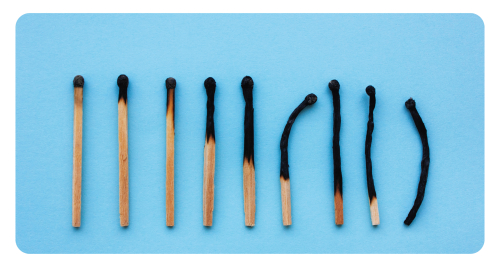
Most of us treat exhaustion like a personal flaw we just need to outwork. Yet our brains and bodies are deeply wired to respond to changes in daylight and temperature.
As the days grow shorter, reduced exposure to natural sunlight disrupts the body’s internal circadian clock. Research on Seasonal Affective Disorder (SAD) and subsyndromal “winter blues” shows that shorter daylight hours can throw off serotonin activity, a neurotransmitter that helps stabilize mood while increasing melatonin production, which leaves you feeling groggy and sluggish well before bedtime (Melrose, 2015). Beyond sleepiness, seasonal shifts can trigger heavier carbohydrate cravings, trouble concentrating, and a noticeable drop in baseline energy.
Recent clinical reviews also suggest that seasonality affects broader neurobiological and inflammatory pathways tied to mood regulation (Modzelewski et al., 2025). In other words, that heavy, low-battery feeling in late November is not “all in your head.” Your nervous system is trying to adapt to winter while modern work, school, and holiday expectations are asking you to sprint uphill.
The Quiet Trap of “Push-Through” Coping

When exhaustion piles up, most people do not suddenly decide to overhaul their wellness routines. They just look for a way to get through the day.
In late autumn, that often looks like a quiet cycle of chemical push-and-pull. You might reach for extra coffee or energy drinks to power through a foggy afternoon, only to feel wired, anxious, and restless once evening hits. From there, it is easy to lean on alcohol, cannabis, or other substances to take the edge off, quiet a racing mind, or force yourself to fall asleep.
Studies examining burnout and psychological distress consistently find that emotional exhaustion and high stress increase the likelihood of turning to substance use as a coping tool (Bryant et al., 2023). There is no shame in wanting relief when you are stretched thin. The catch is that substances used to artificially boost energy or force relaxation usually end up disrupting deep sleep and depleting mood even further the next morning, turning a rough week into a month-long slump. For anyone in recovery or trying to be more intentional about their relationship with substances, this time of year requires extra awareness and gentleness.
Realistic Ways to Reset Before December
When you are already depleted, a rigid, high-effort self-care checklist will only feel like another chore. Instead, focus on small, realistic shifts that work with your nervous system rather than against it:

Get light early in the day. Morning light is one of the fastest ways to tell your brain to shut off melatonin and wake up your internal clock. Even ten to fifteen minutes outside without sunglasses shortly after waking, or sitting near a 10,000-lux light therapy lamp while checking emails, can noticeably steady your energy and mood (Melrose, 2015).

Audit your habits with curiosity, not guilt. Pay attention to what you reach for when you are tired or overwhelmed. If you notice yourself leaning harder on caffeine, alcohol, or other substances just to get through the week, pause and ask what your body actually needs in that moment, whether that is a real meal, a glass of water, twenty minutes away from screens, or an early bedtime.

Lower the bar on holiday expectations. You do not have to attend every gathering, buy elaborate gifts, or keep up a summer-level pace in the middle of November. Protecting your energy by saying “no” to non-essential obligations is a practical form of harm reduction for your mental health.

Resist the urge to isolate. Low mood and fatigue naturally make people want to cancel plans and pull inward, yet connection remains one of the strongest buffers against burnout (Bryant et al., 2023). Keep your social plans low-stakes: grab a warm drink with a friend, drop into a peer support group, or simply text someone honest to say, “I’m wiped out this week just wanted to check in.”
You do not have to sprint across the finish line of the calendar year. Slowing your pace, honoring what the season is asking of your body, and leaning on healthy support now will leave you far more grounded when January arrives.
References
Bryant, V. E., Sorna, M. J., Dana, A., Leon, K. G., Guastello, A. D., Sambuco, N., Huxhold, A., Allen, B., Cuffe, S. P., Mathews, C. A., & Dale, L. P. (2023). Protective and risk factors associated with substance use coping among healthcare workers during the COVID-19 pandemic. Frontiers in Psychology, 14, Article 1228517. https://doi.org/10.3389/fpsyg.2023.1228517
Melrose, S. (2015). Seasonal affective disorder: An overview of assessment and treatment approaches. Depression Research and Treatment, 2015, Article 178564. https://doi.org/10.1155/2015/178564
Modzelewski, S., Naumowicz, M., Suprunowicz, M., Oracz, A. J., & Waszkiewicz, N. (2025). The impact of seasonality on mental health disorders: A narrative review and extension of the immunoseasonal theory. Journal of Clinical Medicine, 14(4), 1119. https://doi.org/10.3390/jcm14041119
Blog Post Tags:
Related Blog Posts



Related Learning Labs




Related Resources
.
- Buscar Tratamiento de Calidad para Trastornos de uso de Sustancia (Finding Quality Treatment for Substance Use Disorders Spanish Version)
- Finding Quality Treatment for Substance Use Disorders
- Focus On Prevention: Strategies and Programs to Prevent Substance Use
- Monthly Variation in Substance Use Initiation Among Full-Time College Students
- The National Survey on Drug Use and Health (NSDUH) Report: Monthly Variation in Substance Use Initiation Among Adolescents