
The Hidden Crisis: Why Rural America is Losing the Battle with Suicide
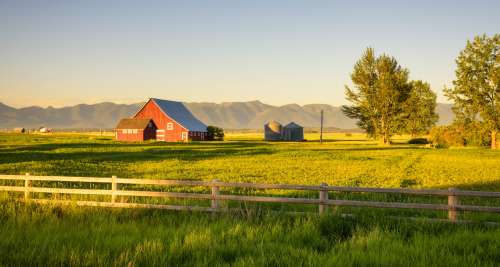
The rolling hills and quiet pastures of rural America often represent a peaceful ideal. Yet, behind this picturesque scenery lies a stark and growing public health crisis. While suicide is a national concern, the burden is not shared equally. Those living in rural, “non-metropolitan” counties face a significantly higher risk of suicide than their urban counterparts—a gap that has widened by nearly 46% over the last two decades (Centers for Disease Control and Prevention [CDC], 2024).
Understanding this disparity requires us to look past the scenery and into the systemic, cultural, and environmental factors that make “country living” a high-stakes environment for mental health.
The Weight of the Numbers
The statistics tell a sobering story. According to the CDC (2024), the age-adjusted suicide rate in rural areas reached approximately 20.0 per 100,000 people in recent years, compared to 13.4 in urban centers. This isn’t just a slight variation; it is a statistical alarm bell.
Certain populations within these communities are at even greater risk. Non-Hispanic American Indian and Alaska Native (AI/AN) individuals and non-Hispanic White males consistently show the highest rates of suicide in rural regions (CDC, 2024). These figures suggest that geography isn’t just a location; it is a social determinant of health that dictates how—and if—one survives a mental health crisis.

Beyond the Horizon: Barriers to Care
Why is the risk so much higher? It isn’t that rural residents are inherently more “unhappy.” Rather, they live in what experts call mental health deserts.

Access and Distance: In a city, a therapist might be two subway stops away. In rural America, that same provider might be a two-hour drive away. When you’re in the middle of a depressive episode, that distance can feel like a mountain range.

Provider Shortages: Rural areas often struggle to recruit and retain specialized mental health professionals. This leads to long wait times, which are dangerous when someone is in active distress.

The Culture of Self-Reliance: There is a deep-seated cultural value in rural communities of being “tough” and “pulling yourself up by your bootstraps.” While this resilience is admirable in farming and industry, it creates a lethal stigma around seeking help. As the American Psychological Association (APA, 2025) notes, this perceived need for self-reliance often leads individuals to minimize their problems or view professional help as a sign of weakness.
The Environment and Lethal Means
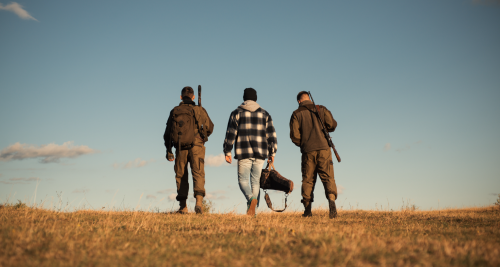
Geography also influences the method of suicide. In rural communities, there is a significantly higher prevalence of firearms for hunting, sport, and protection. While the presence of a firearm does not cause suicidal thoughts, it drastically increases the likelihood that an impulsive moment becomes a fatal one. In fact, firearm-related suicide rates in rural areas are nearly double those in urban centers (CDC, 2024). When combined with physical isolation—where a neighbor might not hear a cry for help or notice a car hasn’t moved for days—the margin for intervention shrinks.
Planting Seeds of Hope: The Path Forward
Despite these challenges, the narrative is beginning to shift. The “digital revolution” is finally reaching the backroads. Telemental health has emerged as a powerhouse for rural wellness. Recent studies have shown that telemental health services are as effective as in-person care for reducing symptoms of depression and anxiety, and they offer a layer of privacy that is highly valued in small towns where everyone knows everyone’s business (Rural Health Information Hub [RHIhub], 2025).
Community-led prevention programs that involve local leaders—pastors, 4-H leaders, and local physicians—are also proving that the best solutions are often grown at home. By integrating mental health into the places rural residents already go, we can bridge the gap between “the hills” and the help they need.

References
American Psychological Association. (2025, September 18). Highlighting barriers to mental health treatment among rural communities. https://www.apaservices.org/advocacy/news/rural-barriers-mental-health-treatment
Centers for Disease Control and Prevention. (2024, May 16). Suicide in rural America. https://www.cdc.gov/rural-health/php/public-health-strategy/suicide-in-rural-america-prevention-strategies.html
Rural Health Information Hub. (2025, March 12). Telehealth models for increasing access to behavioral and mental health treatment. https://www.ruralhealthinfo.org/toolkits/telehealth/2/care-delivery/behavioral-health
Blog Post Tags:
Related Blog Posts




Related Learning Labs



Related Resources
.
- Buscar Tratamiento de Calidad para Trastornos de uso de Sustancia (Finding Quality Treatment for Substance Use Disorders Spanish Version)
- Finding Quality Treatment for Substance Use Disorders
- Focus On Prevention: Strategies and Programs to Prevent Substance Use
- Monthly Variation in Substance Use Initiation Among Full-Time College Students
- The National Survey on Drug Use and Health (NSDUH) Report: Monthly Variation in Substance Use Initiation Among Adolescents