
The Battle at Home: Veterans, Mental Health, and the Power of Peer Support
The uniform comes off, but for many veterans, the fight doesn’t end. After serving our nation, a significant number of former service members face complex mental health challenges like Post-Traumatic Stress Disorder (PTSD), depression, substance use disorder, and anxiety. The transition to civilian life can be isolating, and seeking help is often a difficult journey marked by unique obstacles. Recovery is absolutely possible, but it requires courage, the right resources, and, most importantly, connection.
The Roadblocks to Care and the Barrier of Trust

One of the biggest struggles for veterans is simply establishing care (Rand, 2019). The system itself can be a frustrating maze of complex eligibility requirements, long wait times, and confusing processes—all logistical hurdles that can discourage someone already struggling to reach out.
Even more critical, however, is the difficulty in trusting providers. The military instills a culture of self-reliance, emotional toughness, and the idea that asking for help is a sign of weakness (Oceans Healthcare, 2024). This internal stigma is powerfully reinforced by concerns about how a mental health diagnosis might impact their career, security clearance, or reputation among peers. A veteran’s ingrained skepticism often extends to the civilian healthcare system and even the Department of Veterans Affairs (VA).
Think about it: who would you rather talk to about a combat experience that haunts you—a well-meaning but non-military clinician, or a fellow veteran who has seen, felt, and survived something similar? This is where the concept of cultural competence becomes vital. Many veterans feel that non-veteran providers simply can’t truly grasp the context of their experiences, leading to a breakdown in communication and a hesitancy to be fully honest. This lack of perceived understanding can lead to veterans dropping out of treatment altogether (Dav, 2025).
Finding the Way Forward: The Strength of Peer Support
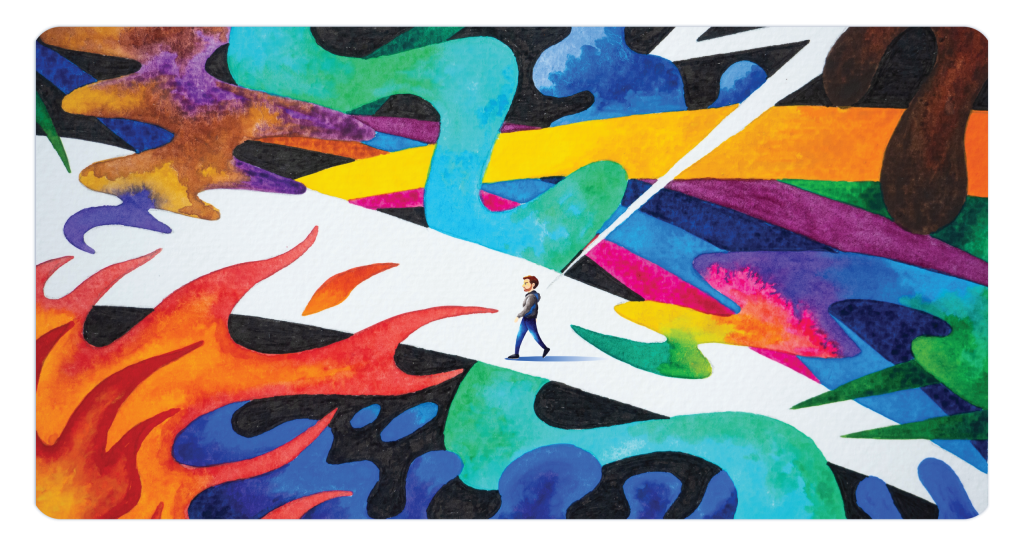
The bridge across this chasm of distrust and isolation is peer support. Peer support groups and veteran-led organizations offer a unique, non-clinical environment where shared experience forms the foundation of healing.
In a peer group, you don’t have to explain military jargon, the unwritten rules of the service, or the weight of deployment. The person across from you—a fellow veteran, or “battle buddy”—already gets it (Soldiers’ Angels, 2025). This shared history creates a sense of immediate camaraderie and safety that formal clinical settings often struggle to replicate (NVTI, 2025).
Peer-led organizations leverage this power of shared experience. They are staffed by veterans who have walked the path of struggle and are now trained to help others navigate their recovery. These programs do more than just listen; they offer:

Validation: Reducing the stigma by hearing a similar story and realizing you’re not alone or “broken.”

Hope: Seeing a peer who is further along in their own recovery demonstrates that healing is not just an abstract goal, but a tangible reality.

Practical Tools: Peers share resources and strategies they personally used to overcome challenges like isolation, managing symptoms, and re-integrating into civilian life.

Connection: They help re-establish the sense of team and belonging that is often lost when leaving the service (VA, 2024).
Organizations like the VA’s own Peer Support Specialist Program and non-profits like Vets4Warriors and the Wounded Warrior Project have prioritized this model because research consistently shows that it improves engagement in treatment, lowers isolation, and generally improves the mental health and well-being of veterans (VA, 2024). The power is in the trust: when a battle buddy says, “I’ve been there, and I got better,” it carries a weight of authenticity that can be a catalyst for a veteran to finally seek the help they deserve.
The journey toward mental health recovery is a marathon, not a sprint. For our veterans, finding the courage to take the first step is only half the battle. They deserve a care system that meets them where they are—with understanding, competence, and above all, the trusted voice of someone who has served.
References
Dav. (2025, January 28). Challenges and barriers to accessing community care.
Oceans Healthcare. (2024, October 14). Veterans and mental health: Addressing barriers to treatment.
Rand. (2019, September 25). Veterans’ barriers to care.
Soldiers’ Angels. (2025, August 30). Battle buddies beyond the battlefield: The value of peer support in recovery.
National Veterans’ Training Institute (NVTI). (2025, July 2). The role of peer support in veteran reintegration.
Veterans Affairs (VA). (2024). Understanding peer support services in Veterans Health Administration (VHA).
Blog Post Tags:
Related Blog Posts


Related Learning Labs



Related Resources
.
- Buscar Tratamiento de Calidad para Trastornos de uso de Sustancia (Finding Quality Treatment for Substance Use Disorders Spanish Version)
- Finding Quality Treatment for Substance Use Disorders
- Focus On Prevention: Strategies and Programs to Prevent Substance Use
- Monthly Variation in Substance Use Initiation Among Full-Time College Students
- The National Survey on Drug Use and Health (NSDUH) Report: Monthly Variation in Substance Use Initiation Among Adolescents