
The Power of Boundaries: How to Practice Radical Self-Care When a Loved One Won't Get Help
When someone you love is drowning in a mental health crisis or a substance use disorder, your immediate instinct is to dive in after them. You swim fiercely against the current, burning through your own energy reserves, trying to drag them back to shore. But what happens when they keep pulling you under or worse, when they refuse to grab the lifeline you’re offering?
Watching a loved one refuse professional help is an agonizing, deeply exhausting experience. It can easily drive you into a state of chronic hypervigilance, sleeplessness, and eventual resentment.
But here is the hard, liberating truth: You cannot rescue someone who isn’t ready to swim. Protecting your own mental health in these moments isn’t selfish; it’s an act of radical self-care. Here is how you can reclaim your peace, set unbreakable boundaries, and learn the crucial art of “detaching with love.”

The Trap of the Savior Complex
It is incredibly easy to confuse enabling with helping. When we continually shield a loved one from the natural consequences of their choices like paying their bills after they spent their income on substances or lying to their employer to protect their job we aren’t saving them. We are simply delaying the wake-up call that might finally prompt them to seek treatment.
Crucial Paradigm Shift: Boundaries are not walls meant to punish your loved one or lock them out of your heart. They are gentle, firm guideposts designed to protect your safety, sanity, and emotional reserves.
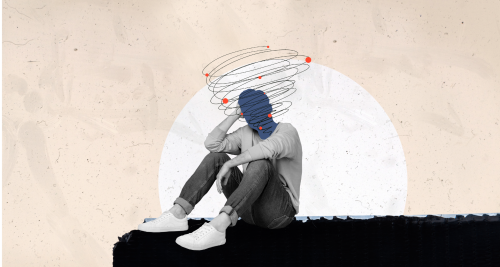
Defining Your Boundaries: A Quick Reference
Boundaries cannot be vague ideas; they must be specific, actionable, and entirely within your control. While you cannot force a loved one to stop drinking or attend therapy, you can control how you react to their behavior.

Emotional Boundaries: “I love you, but I will not engage in arguments or conversations with you when you are under the influence.”

Financial Boundaries: “I am willing to help pay for a treatment facility directly, but I will no longer give you cash for rent or bills.”

Physical Boundaries: “You are not permitted to bring substances into my home. If you do, I will ask you to leave immediately.”

Time & Energy Boundaries: “I am turning my phone off at 10:00 PM to sleep. I will not answer late-night crisis calls unless it is a medical emergency.”
How to Set (and Actually Keep) Your Limits
Setting a boundary is only 10% of the battle; enforcing it is the remaining 90%. When you first begin setting limits, expect severe pushback. Your loved one may use guilt, anger, or manipulation to get things back to the status quo.
- Utilize “I” Statements: Avoid lecturing, nagging, or using highly accusatory language, which triggers immediate defensiveness. Instead of saying, “You are destroying this family with your addiction,” try, “I feel deeply anxious and unsafe when there are drugs in this house, so I am choosing to step away.”
- Be a Broken Record: You do not owe anyone a multi-page essay defending your boundaries. State your limit clearly, calmly, and repeatedly if it is tested.
- Never Make Empty Threats: If you tell your loved one, “If you use in this house again, you will have to find somewhere else to stay,” you must be fully prepared to follow through. Giving in teaches them that your boundaries are entirely negotiable.
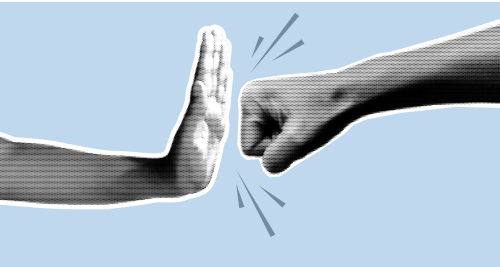
The Art of “Detaching with Love”
Originating in peer-support frameworks like Al-Anon and Families Anonymous, detaching with love means separating yourself from the adverse, destructive effects of another person’s illness without shutting off your love for them.
It requires you to step back and allow them to experience the real-world, natural consequences of their behavior. It is the painful but liberating realization of the “Three Cs”:
- You did not cause their struggle.
- You cannot control their choices.
- You cannot cure their illness.
When you detach with love, you stop acting as a 24/7 crisis manager. You free up the vital emotional bandwidth required to tend to your own life—your career, your hobbies, your other relationships, and your physical health.
Radical Self-Care is Your Armor
You cannot pour from an empty cup. If you are entirely consumed by your loved one’s chaos, you are no good to them, and you certainly aren’t being fair to yourself.
Radical self-care means prioritizing your own therapy sessions, keeping your doctor’s appointments, eating well, getting rest, and intentionally curating a support system outside of the crisis. Joining peer groups like NAMI Family Support Groups or Al-Anon can connect you with people who truly understand the unique grief of loving someone who isn’t ready to heal.
Choosing your own mental health is not a betrayal of your loved one. It is a necessary act of survival.

References
Addiction Center. (n.d.). How to set and keep boundaries with someone struggling with addiction. https://www.addictioncenter.com/community/set-keep-boundaries/
Breathe Life Healing Centers. (n.d.). Skillful vs. unskillful love during relapse. https://breathelifehealingcenters.com/skillful-vs-unskillful-love/
Cast Centers. (n.d.). Setting healthy boundaries with family members struggling with addiction. https://castcenters.com/blog/setting-healthy-boundaries-with-family/
National Alliance on Mental Illness. (n.d.). NAMI Family Support Group. https://www.nami.org/Support-Education/Support-Groups/NAMI-Family-Support-Group
Blog Post Tags:
Related Blog Posts




Related Learning Labs




Related Resources
.
- Buscar Tratamiento de Calidad para Trastornos de uso de Sustancia (Finding Quality Treatment for Substance Use Disorders Spanish Version)
- Finding Quality Treatment for Substance Use Disorders
- Focus On Prevention: Strategies and Programs to Prevent Substance Use
- Monthly Variation in Substance Use Initiation Among Full-Time College Students
- The National Survey on Drug Use and Health (NSDUH) Report: Monthly Variation in Substance Use Initiation Among Adolescents