
Neurodiversity and Recovery: Navigating ADHD, Stimulants, and Everyday Demands
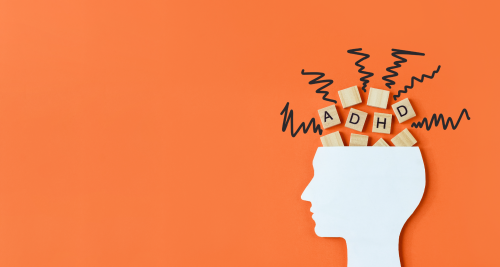
If you have ever felt like your brain is running twenty browser tabs at once while three of them are frozen and playing background music you can’t turn off you know a bit about what it’s like to navigate daily life with Attention-Deficit/Hyperactivity Disorder (ADHD).
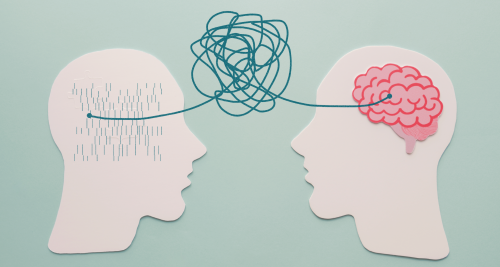
Modern adult life is heavily built around executive function: prioritizing competing work projects, managing households, keeping up with administrative tasks, and maintaining long-term routines. For neurodivergent individuals, meeting these constant expectations can feel like trying to run modern software on an overwhelmed operating system.
When life and workplace pressures build up, the intersection of ADHD, stimulant medications, and substance use becomes a reality many people face, but few feel comfortable discussing open and honestly. Understanding this overlap isn’t about placing blame, it’s about building genuine, neuroaffirming pathways toward mental health, balance, and lasting recovery.
Productivity Culture and Stimulant Misuse
In a fast-paced culture obsessed with performance and efficiency, prescription stimulants like Adderall, Ritalin, or Vyvanse are increasingly talked about as productivity boosters. Adults without ADHD sometimes turn to unprescribed stimulants to keep up with intense work schedules or burnout, viewing them as quick-fix energy supplements. Epidemiological studies show that non-medical prescription stimulant misuse affects millions of adults nationwide, frequently driven by high-stress work environments and chronic sleep deprivation (Compton et al., 2018).
However, there is a fundamental difference between someone taking an unprescribed stimulant to push through burnout and a neurodivergent adult using prescribed medication under medical care to manage a recognized neurodevelopmental condition.
For individuals diagnosed with ADHD, prescribed stimulants are not about gaining an unfair advantage They are a clinical tool used to balance dopamine levels and support daily cognitive processing. Yet, social pressures and systemic misunderstandings create unique challenges. Neurodivergent adults often experience guilt or stigma surrounding their medications, or face difficulty accessing consistent care due to pharmacy shortages and regulatory hurdles (Mariani & Levin, 2012). When treatment is interrupted or poorly managed, managing daily responsibilities can quickly become overwhelming.

Regulation, Self-Medication, and the Substance Use Link
Why do neurodivergent adults experience statistically higher rates of substance use challenges?
It rarely comes down to a simple desire for recreation. For many neurodivergent individuals, substance use begins as a form of self-regulation, an attempt to quiet a racing mind, soothe an overstimulated sensory system, or briefly escape the sheer exhaustion of chronic executive dysfunction. The World Federation of ADHD International Consensus Statement underscores that untreated or undertreated ADHD is a significant independent risk factor for developing a substance use disorder (Faraone et al., 2021).
When a person’s brain naturally struggles with dopamine regulation and impulse control, substances that rapidly alter neurochemistry can feel like an emergency release valve:

Alcohol or Cannabis are frequently used in the evening to force an overactive nervous system to unwind or sleep.

Unprescribed Stimulants or Excessive Caffeine might be used in desperate attempts to overcome task paralysis and meet pressing deadlines.
When traditional substance use treatment or recovery spaces ignore neurodiversity, they often rely on rigid, “one-size-fits-all” advice that emphasizes willpower and discipline over biological reality. Addressing substance use without addressing underlying neurodivergence asks a person to remove a primary coping mechanism without offering a realistic, brain-compatible way to regulate their nervous system (Fluyau et al., 2021).
Reframing Recovery: Moving Toward Neuroaffirming Support
If you are a neurodivergent adult navigating recovery, re-evaluating your relationship with substances, or trying to manage prescription medication safely, standard recovery models don’t always fit. Recovery needs to be neuroaffirming. Meaning it honors how your brain naturally works rather than forcing you into a rigid mold.
Here are a few practical strategies to help balance daily demands, neurodiversity, and wellness:

Separate Necessary Healthcare from Stigma: Taking prescribed ADHD medication as directed by a healthcare professional is not a failure of recovery. Work openly with a provider to explore extended-release formulations or non-stimulant alternatives if managing short-acting medications triggers anxiety or feel difficult to maintain.

Utilize Environmental Accommodations: Executive dysfunction is a legitimate cognitive difference, not a character flaw. Creating supportive structures at work and home such as visual reminders, structured digital calendars, and flexible workflow arrangements—can dramatically reduce the stress that drives self-medication.

Incorporate Body-Doubling and External Anchors: Rather than relying purely on internal motivation, lean on external environment design. “Body-doubling” working alongside a partner, friend, or coworker—provides the subtle accountability and low-level stimulation an ADHD brain needs to initiate and complete tasks.

Seek Out Inclusive Recovery Communities: Look for recovery support groups and peer networks that understand and validate neurodiversity. Connecting with peers who share similar lived experiences provides a space to discuss executive function, emotional regulation, and recovery goals without fear of misunderstanding.
Recovery is not about changing who you are or forcing your brain to act neurotypical. It is about identifying what your nervous system needs to feel supported, establishing sustainable boundaries, and building a life that honors your whole self.
References
Compton, W. M., Han, B., Blanco, C., Johnson, K., & Jones, C. M. (2018). Prevalence and correlates of prescription stimulant use, misuse, and use disorders among U.S. adults. American Journal of Psychiatry, 175(8), 741–755. https://doi.org/10.1176/appi.ajp.2018.17091048
Faraone, S. V., Banaschewski, T., Coghill, D., Zheng, Y., Biederman, J., Bellgrove, M. A., Newcorn, J. H., Gignac, G. E., Al Saud, N. M., Manor, I., Rohde, L. A., Yang, L., Atwoli, L., Giri, M., Robinson, R. O., Tasker, R. C., Timothy, T. A., & Wang, Y. (2021). The World Federation of ADHD International Consensus Statement: 208 evidence-based conclusions about the disorder. Neuroscience & Biobehavioral Reviews, 128, 789–818. https://doi.org/10.1016/j.neubiorev.2021.01.022
Fluyau, D., Revadigar, N., & Pierre, C. G. (2021). Systematic review and meta-analysis: Treatment of substance use disorder in attention deficit hyperactivity disorder. The American Journal on Addictions, 30(2), 110–121. https://doi.org/10.1111/ajad.13136
Mariani, J. J., & Levin, F. R. (2012). Treatment of comorbid ADHD and substance use disorders. Current Psychiatry Reports, 14(5), 562–570. https://doi.org/10.1007/s11920-012-0305-6
Blog Post Tags:
Related Blog Posts




Related Learning Labs




Related Resources
.
- Buscar Tratamiento de Calidad para Trastornos de uso de Sustancia (Finding Quality Treatment for Substance Use Disorders Spanish Version)
- Finding Quality Treatment for Substance Use Disorders
- Focus On Prevention: Strategies and Programs to Prevent Substance Use
- Monthly Variation in Substance Use Initiation Among Full-Time College Students
- The National Survey on Drug Use and Health (NSDUH) Report: Monthly Variation in Substance Use Initiation Among Adolescents