
Mid-Year Mental Health Audit: Evaluating Your Coping Mechanisms
As summer winds down and daily routines shift. August serves as a critical midpoint to pause and evaluate psychological well-being. Prolonged stress often builds insidiously, leading to physical fatigue and emotional depletion if left unmanaged (American Psychological Association, 2023). Performing a mid-year mental health audit allows individuals to assess their current stress baseline, evaluate boundary health, and distinguish between adaptive and maladaptive coping strategies.

Assessing Baseline Stress Levels
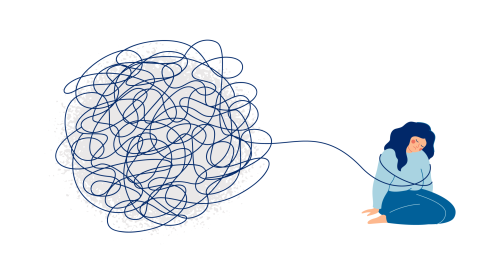
Before adjusting routines, it is essential to measure current stress exposure. Psychological strain occurs when environmental demands exceed an individual’s perceived coping resources (Lazarus & Folkman, 1984).
- Physical Signals: Persistent muscle tension, altered sleep patterns, or chronic headaches.
- Emotional Signals: Heightened irritability, persistent overwhelm, or emotional detachment.
- Cognitive Signals: Difficulty concentrating, frequent decision fatigue, or intrusive worry.
Evaluating Boundary Health
Boundaries serve as the primary framework protecting personal emotional bandwidth. The end of summer often brings overlapping personal, professional, and family expectations that test boundary integrity. Signs of compromised boundaries include:
- Over-commitment: Agreeing to requests out of obligation rather than capacity.
- Boundary Drift: Allowing professional duties to encroach consistently on personal recovery time.
- Resentment: Feeling chronic frustration toward routine demands—a key indicator of boundary erosion.

Inventorying Coping Mechanisms: Healthy vs. Unhelpful
Coping mechanisms are broadly categorized into adaptive strategies (which resolve problems or regulate emotion constructively) and maladaptive strategies (which offer temporary relief while compounding stress over time) (Carver, 1997).
| Coping Domain | Adaptive Strategies (Healthy) | Maladaptive Strategies (Unhelpful) |
|---|---|---|
| Problem-Focused | Active problem-solving, setting schedule limits, seeking direct aid | Task avoidance, chronic procrastination, anxious over-control |
| Emotion-Focused | Mindfulness, peer support, movement, emotional reflection | Emotional suppression, doomscrolling, substance misuse, isolation |

Realigning for the Season Ahead
To rebuild resilience before fall, select one maladaptive habit to scale back and replace it with an adaptive practice. Strengthening boundaries and scheduling non-negotiable rest restores psychological agency and protects mental health through upcoming seasonal transitions (American Psychological Association, 2023; Carver, 1997).

References
American Psychological Association. (2023). Stress in America 2023: A nation recovering from collective trauma. https://www.apa.org/news/press/releases/stress/2023/collective-trauma-recovery
Carver, C. S. (1997). You want to measure coping but your protocol’s too long: Consider the Brief COPE. International Journal of Behavioral Medicine, 4(1), 92–100. https://doi.org/10.1207/s15327558ijbm0401_6
Lazarus, R. S., & Folkman, S. (1984). Stress, appraisal, and coping. Springer Publishing Company.
Blog Post Tags:
Related Blog Posts




Related Learning Labs




Related Resources
.
- Buscar Tratamiento de Calidad para Trastornos de uso de Sustancia (Finding Quality Treatment for Substance Use Disorders Spanish Version)
- Finding Quality Treatment for Substance Use Disorders
- Focus On Prevention: Strategies and Programs to Prevent Substance Use
- Monthly Variation in Substance Use Initiation Among Full-Time College Students
- The National Survey on Drug Use and Health (NSDUH) Report: Monthly Variation in Substance Use Initiation Among Adolescents