
Understanding Kratom: What It Is, How Nevada Regulates It, and the Move Toward Scheduling
If you have walked into a smoke shop, gas station, or health store in Nevada over the past few years, you have probably noticed packages of kratom sitting right next to the energy drinks or CBD gummies. Sold as powders, capsules, and liquid shots, this herbal product has turned into a massive topic of conversation across the country and right here in Nevada.
Some people believe, kratom is a helpful tool for dealing with chronic pain, calming anxiety, or easing off prescription pain medications. For medical professionals and public health officials, it represents an unregulated substance that can lead to physical dependence, severe health complications, and unexpected trips to the emergency room.
Nevada was actually one of the first states in the nation to try to bring order to this market by passing a law to regulate kratom back in 2019. But the conversation is changing fast. State officials and health agencies in Nevada are now looking at officially scheduling kratom as a controlled substance.
To understand how we got here and what a potential statewide regulation would mean it helps to look at how kratom works in the body, how Nevada currently handles it, and why state regulators are reconsidering its legal status.
What Is Kratom, Exactly?
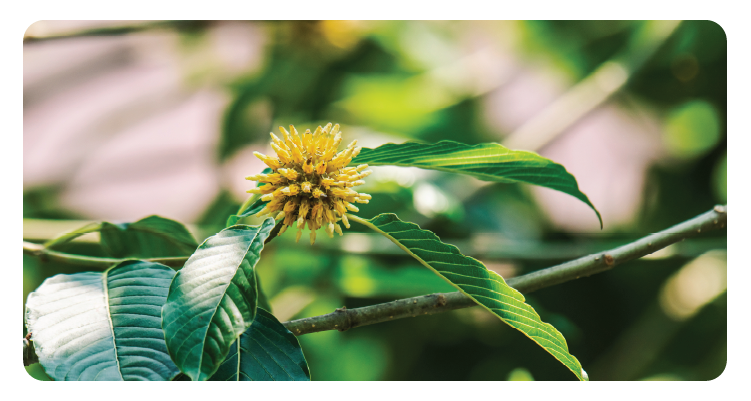
Kratom comes from the leaves of Mitragyna speciosa, a tropical tree native to Southeast Asia. In places like Thailand and Indonesia, farm workers have chewed the raw leaves or brewed them into tea for generations to fight off exhaustion during long workdays or to relieve everyday aches.
What makes kratom unusual compared to most botanical products is that its effects change depending on how much you take:

In small amounts: It acts mostly like a stimulant. People often report feeling more energetic, focused, and alert, similar to drinking a strong cup of coffee.

In larger amounts: The effects shift toward pain relief, relaxation, and sedation.
You do not need an organic chemistry degree to understand why this happens. Kratom contains natural plant compounds that interact directly with the brain’s opioid receptors (Eastlack et al., 2020). While kratom is not a traditional opioid like morphine or oxycodone, it taps into those same pathways in the brain to quiet pain and produce a sense of ease.
That interaction is a double-edged sword. Because it acts on opioid receptors, taking kratom regularly can cause the body to build up a tolerance quickly. Over time, heavy or daily use can lead to physical dependence, meaning if someone stops taking it suddenly, they may experience uncomfortable withdrawal symptoms like intense body aches, severe anxiety, insomnia, and sweating (Striley et al., 2022).
How Nevada Handled Kratom First: Regulation Over Banning

When kratom first exploded in popularity across the U.S., states were split on what to do. A few states banned it outright, while others left it completely unregulated.
Nevada took a different approach in 2019 by passing the Kratom Consumer Protection Act (NRS 597.998). The goal of this law was simple: keep the product legal for adults while putting basic guardrails around consumer safety.
Under Nevada’s current law:

You must be at least 18 years old to buy kratom products.

Adulterated products are illegal. Sellers cannot mix kratom with synthetic chemicals, controlled substances, or high-potency artificial additives that make the product dangerous.

Packaging must be labeled. Products need clear labels listing ingredients and basic instructions for use.

Violators face fines. Shops that sell unapproved or contaminated products can be penalized up to $1,000 per violation.
By setting these rules, Nevada was attempting a harm reduction approach. Lawmakers reasoned that if adults were going to use kratom anyway, it was safer to ensure the products on store shelves were labeled transparently and free from dangerous contaminants.
The Big Shift: Nevada Is Now Looking at Officially Scheduling Kratom

While the 2019 law was intended to protect consumers, the landscape around kratom has grown considerably more complicated. In recent years, gas stations and smoke shops have started stocking concentrated liquid extracts and synthetic versions of kratom that are far more potent than traditional ground plant leaves. At the same time, emergency rooms and toxicology centers have seen a steady rise in adverse health events involving kratom, including severe liver issues, seizures, and accidental overdoses (Striley et al., 2022).
Because of these growing public safety concerns, Nevada is now actively looking at officially scheduling kratom as a controlled substance.
Supporters of scheduling argue that a complete ban is necessary to protect the public from dangerous, concentrated extracts and to prevent people from accidentally developing serious substance use disorders. Health officials point out that because there is no required state testing program for kratom products, consumers rarely know what dose or purity they are actually getting (Garcia-Romeu et al., 2020).
On the other hand, harm reduction advocates, researchers, and community members in recovery warn that a total ban could backfire. Many fear that classifying kratom as a Schedule I substance will criminalize people who use the leaf for pain management or self-directed recovery, potentially driving them back toward far more dangerous street drugs like illicit fentanyl (Garcia-Romeu et al., 2020).
What This Means for Nevadans Right Now
For now, kratom remains legal for adults 18 and older in Nevada under the Kratom Consumer Protection Act. However, with the State Board of Pharmacy holding public workshops and actively reviewing regulatory language, its legal status in the Silver State could change in the near future.
If you or someone you support in the community uses kratom, here are a few practical harm reduction considerations to keep in mind:

“Natural” does not mean risk-free. Just because a product comes from a plant does not mean it cannot cause physical dependence or interact dangerously with other medications or alcohol.

Check for lab testing. Since state testing is not mandatory, stick to brands that publish independent, third-party Certificates of Analysis (COAs) verifying their product is free from heavy metals or synthetic additives.

Talk openly with healthcare providers. If you are using kratom for pain relief, anxiety, or managing substance use, bring it up with a trusted doctor or recovery advocate. Having honest, non-judgmental conversations is essential for keeping yourself safe as Nevada’s laws evolve.
Whether Nevada continues down the path of strict product regulation or moves to ban kratom entirely through Schedule I, staying informed helps our community navigate these shifts with care, safety, and common sense.
References
Eastlack, S. C., Cornett, E. M., & Kaye, A. D. (2020). Kratom—Pharmacology, clinical implications, and outlook: A comprehensive review. Pain and Therapy, 9(1), 55–69. https://doi.org/10.1007/s40122-020-00151-x
Garcia-Romeu, A., Cox, D. J., Smith, K. E., Dunn, K. E., & Griffiths, R. R. (2020). Kratom (Mitragyna speciosa) use, motives, and adverse effects: Patient-reported outcomes from a large random survey. Frontiers in Psychiatry, 11, Article 597. https://doi.org/10.3389/fpsyt.2020.00597
Striley, C. W., Hoeflich, C. C., Viegas, A. T., Berkowitz, L. A., Matthews, E. G., Akin, L. P., Iheanyi-Okeahialam, C., Mansoor, U., & McCurdy, C. R. (2022). Health effects associated with kratom (Mitragyna speciosa) and polysubstance use: A narrative review. Substance Abuse: Research and Treatment, 16. https://doi.org/10.1177/11782218221095873
Blog Post Tags:
Related Blog Posts




Related Learning Labs



Related Resources
.
- Buscar Tratamiento de Calidad para Trastornos de uso de Sustancia (Finding Quality Treatment for Substance Use Disorders Spanish Version)
- Finding Quality Treatment for Substance Use Disorders
- Focus On Prevention: Strategies and Programs to Prevent Substance Use
- Monthly Variation in Substance Use Initiation Among Full-Time College Students
- The National Survey on Drug Use and Health (NSDUH) Report: Monthly Variation in Substance Use Initiation Among Adolescents