
The High Stakes of 2026: The New Era of Sports Betting
In 2026, the landscape of American entertainment has been fundamentally rewritten. What was once a niche activity confined to the neon lights of Las Vegas or the smoky corners of offshore websites has become as ubiquitous as checking the weather on your phone. Sports betting isn’t just a hobby anymore; it’s an integrated feature of the modern fan experience. But as the barriers to entry have crumbled, a new set of challenges has emerged, casting a long shadow over the “thrill of the game.”
The 36-State Surge and the Ease of the Edge

By mid-2026, legal sports betting has expanded to 36 states, creating a patchwork of legality that covers the vast majority of the U.S. population. The “ease” of betting today is unparalleled. With a few biometric taps, a fan sitting in a stadium can place a “micro-bet” on whether the next pitch will be a strike or if a specific player will make their next free throw.
This hyper-accessibility has removed the “friction” that used to act as a natural speed bump for impulsive behavior. When the sportsbook is in your pocket 24/7, the psychological distance between an impulse and an action disappears.
The Risk Profile: Why Sports Betting is Different
Recent data from 2026 highlights a troubling trend: sports bettors are not “standard” gamblers. The statistics are stark:

3x the Risk: Individuals who participate in sports betting are three times more likely to develop a gambling disorder compared to those who engage in other forms of gambling like lotteries or casual casino visits.

The Weekly Factor: The risk skyrockets for frequent players. Those who bet on sports weekly are five times more likely to meet the clinical criteria for a gambling disorder.
There is also a significant “gateway” effect. Research shows a high correlation between sports betting and generalized gambling; those who bet on sports are statistically much more likely to bet on anything—from election results to the color of Gatorade dumped on a coach. The “skill-based” illusion of sports betting often convinces players they have an edge, which fuels a persistence that purely luck-based games do not.
Recognizing the Red Flags: The 9 Criteria
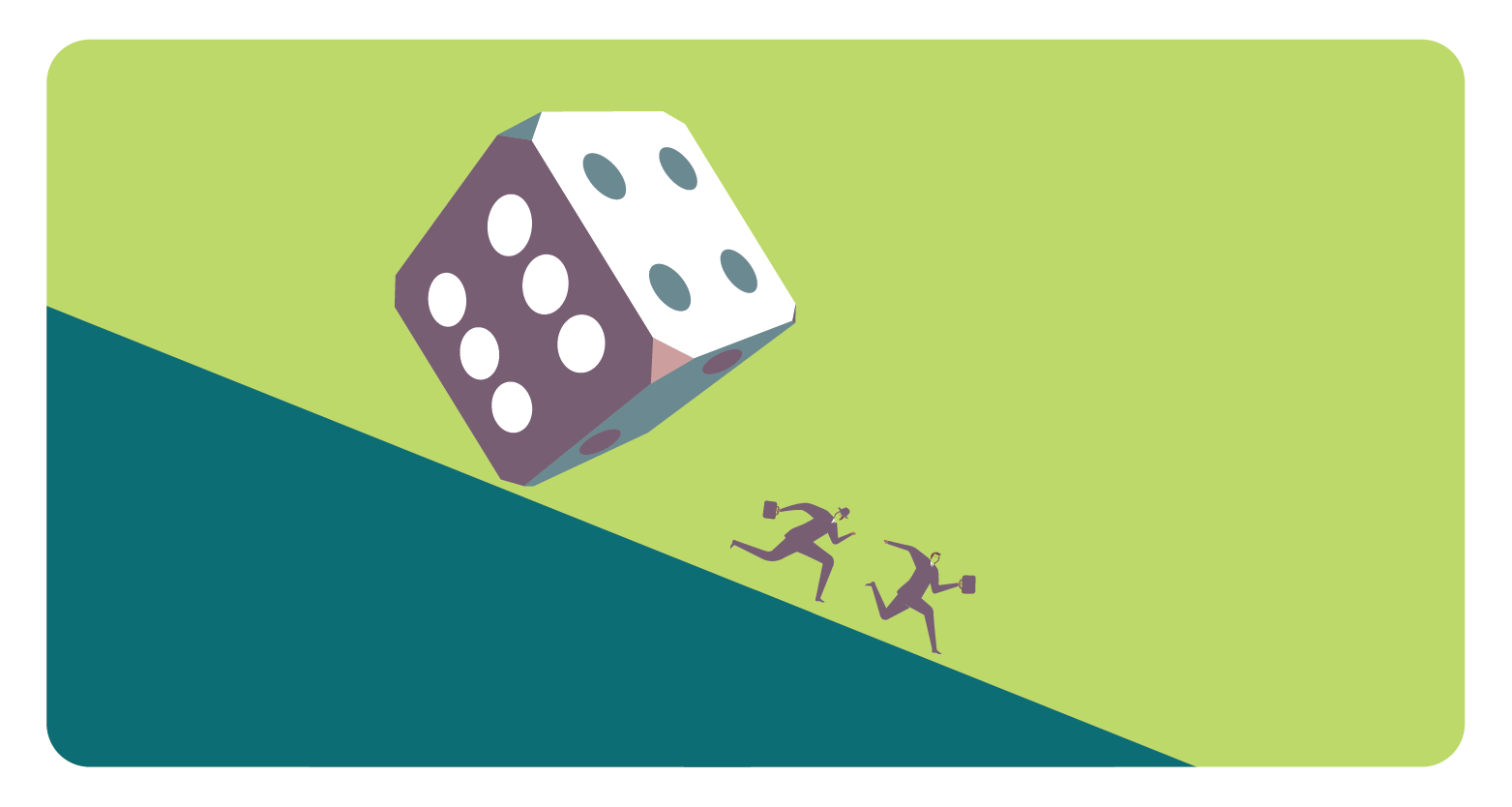
In the clinical world, “Problem Gambling” is diagnosed using the DSM-5 criteria. If an individual meets four or more of these nine signs within a 12-month period, it typically indicates a Gambling Disorder:

Tolerance: Needing to bet with increasing amounts of money to achieve the desired excitement.

Withdrawal: Feeling restless or irritable when attempting to cut down or stop.

Loss of Control: Repeated unsuccessful efforts to control, back off, or stop gambling.

Preoccupation: Frequent thoughts about gambling (reliving past bets or planning the next one).

Escape: Gambling when feeling distressed, anxious, or depressed.

Chasing: Returning another day to get even after losing money (“chasing one’s losses”).

Lying: Concealing the extent of involvement with gambling from family or friends.

Jeopardy: Risking or losing a significant relationship, job, or career opportunity due to gambling.

Bailout: Relying on others to provide money to relieve desperate financial situations caused by gambling.
The “Lie/Bet” Tool: A Two-Question Reality Check

Because the 9 criteria can feel overwhelming, clinicians often use a simplified “first-pass” screening known as the Lie/Bet tool. It consists of just two questions that are remarkably accurate at identifying potential issues:

Have you ever had to lie to people important to you about how much you gambled?

Have you ever felt the need to bet more and more money?
Answering “Yes” to either of these questions suggests that a person may have a gambling problem and should seek a more formal assessment.
Moving Forward

As we navigate this “new normal” in 2026, the goal isn’t necessarily to moralize the act of betting, but to recognize the biological and social toll it takes when it moves from recreation to compulsion. In a world where the bet is always just one click away, the most important “win” might be knowing when to put the phone down.
References
Blog Post Tags:
Related Blog Posts




Related Learning Labs




Related Resources
.
- Buscar Tratamiento de Calidad para Trastornos de uso de Sustancia (Finding Quality Treatment for Substance Use Disorders Spanish Version)
- Finding Quality Treatment for Substance Use Disorders
- Focus On Prevention: Strategies and Programs to Prevent Substance Use
- Monthly Variation in Substance Use Initiation Among Full-Time College Students
- The National Survey on Drug Use and Health (NSDUH) Report: Monthly Variation in Substance Use Initiation Among Adolescents