
Beyond the Rainbow: Real-World Strategies for Supporting LGBTQ+ Mental Health
Supporting the LGBTQ+ community is about much more than putting up a rainbow sticker or celebrating during Pride month. Real, impactful allyship requires looking beneath the surface and confronting a pressing public health reality: the mental health disparities facing sexual and gender minorities.
To build environments where everyone can thrive, we need to understand the unique psychological burdens the community carries, appreciate how intersecting identities change that burden, and actively cultivate spaces of resilience.
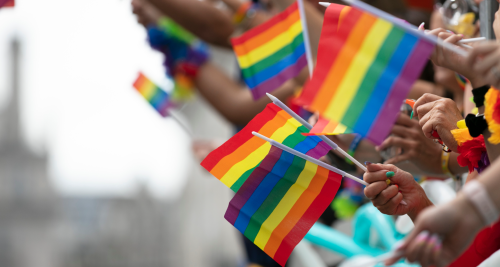
Understanding the Weight of Minority Stress
When analyzing the mental health landscape, the numbers tell an important story. Queer individuals face a significantly higher prevalence of mental health challenges, experiencing depression at roughly 1.5 times the risk observed in their heterosexual peers (Grigoreva & Szaszkó, 2024).
But why is this the case? It is not because being LGBTQ+ is inherently distressing. Instead, psychologists point to the Minority Stress Model. This framework explains that living in a society marked by prejudice and stigma creates chronic, unique social stressors for marginalized groups. Proximal stressors—the internal battles like identity concealment, self-stigma, and the exhausting, constant expectation of rejection—have an incredibly corrosive impact on overall psychological well-being (Grigoreva & Szaszkó, 2024).
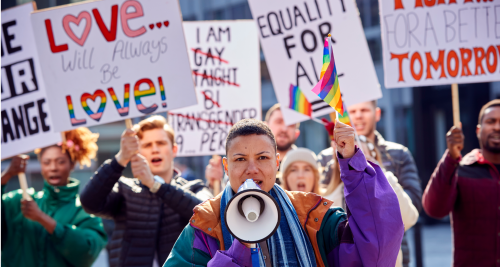
The Crucial Lens of Intersectionality
Mental health is never one-size-fits-all, and experiences of minority stress are heavily shaped by a person’s complete identity. This is where intersectionality becomes essential.
“We cannot talk about LGBTQ+ mental health without acknowledging that individuals do not live single-issue lives.”
For instance, LGBTQ+ young people of color navigate a distinct and complex matrix of pressures. External stressors like racist microaggressions, when combined with internal pressures like family rejection and internalized LGBTQ-phobia, independently and significantly drive up rates of psychological distress (Salerno et al., 2023). When systemic racism intersects with heterosexism or transphobia, the mental health toll compounds, making culturally tailored, nuanced support systems absolutely vital.
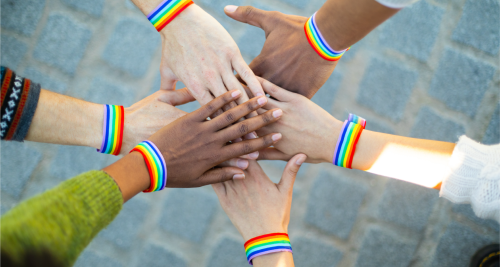
Fostering Resilience and Community
While the data highlights deep challenges, the narrative of the LGBTQ+ community is fundamentally one of profound strength. Supporting mental health isn’t just about reducing stressors; it’s about actively amplifying protective factors.
One of the most potent tools against minority stress is community resilience. Fostering a deep, authentic connection to the LGBTQ+ community serves as a powerful psychological buffer against identity-based stigma (McConnell et al., 2018). When individuals have spaces where their identities are mirrored, celebrated, and validated, they are much better equipped to process experiences of discrimination, build healthy coping mechanisms, and ultimately thrive.

Practical Actions for Allies
If you want to move beyond passive support and become an active champion for LGBTQ+ mental health, consider integrating these evidence-based practices into your daily life:

Validate and Affirm Continuously: Respecting pronouns and gender expression isn’t a political stance—it’s basic mental health hygiene. Using correct names and pronouns directly correlates with reduced symptoms of anxiety and depression.

Confront Microaggressions Head-On: Don’t let “minor” comments or casual biases slide. Intervening when you witness casual racism, homophobia, or transphobia takes the exhausting burden of self-defense off the shoulders of marginalized individuals.

Create Intersectional Safe Spaces: Ensure that the supportive spaces you build are consciously inclusive of all races, ethnicities, socio-economic backgrounds, and gender expressions.

Encourage Affirming Mental Health Care: When recommending support or looking at mental health resources, advocate for practitioners who are explicitly trained in LGBTQ+ cultural competency and affirmative therapy models.
By shifting our focus toward reducing minority stressors and building community connections, we can help replace the weight of stigma with the life-saving power of belonging.
References
Grigoreva, D., & Szaszkó, B. (2024). Minority stress and psychological well-being in queer populations. Scientific Reports, 14. https://doi.org/10.1038/s41598-024-78545-6 Cited by: 24
McConnell, E. A., Janulis, P., Phillips, G., Truong, R., & Birkett, M. (2018). Multiple minority stress and LGBT community resilience among sexual minority men. Psychology of Sexual Orientation and Gender Diversity, 5(1), 1-12. https://doi.org/10.1037/sgd0000265 Cited by: 752
Salerno, J. P., Pease, M. V., Gattamorta, K. A., Fryer, C. S., & Fish, J. N. (2023). Impact of racist microaggressions and LGBTQ-related minority stressors: Effects on psychological distress among LGBTQ+ young people of color. Preventing Chronic Disease, 20. https://doi.org/10.5888/pcd20.220371
Blog Post Tags:
Related Blog Posts




Related Learning Labs




Related Resources
.
- Buscar Tratamiento de Calidad para Trastornos de uso de Sustancia (Finding Quality Treatment for Substance Use Disorders Spanish Version)
- Finding Quality Treatment for Substance Use Disorders
- Focus On Prevention: Strategies and Programs to Prevent Substance Use
- Monthly Variation in Substance Use Initiation Among Full-Time College Students
- The National Survey on Drug Use and Health (NSDUH) Report: Monthly Variation in Substance Use Initiation Among Adolescents