
How Exercise Supports the Recovery Process
The journey to recovery from substance use disorders is a multifaceted and challenging process that often extends beyond the initial cessation of drug or alcohol use. For many individuals who have utilized substances for a long period of time, wellness and physical activity has been an area of their life that has been ignored and neglected. Therefore, exercise can be a powerful tool for individuals in recovery to use to improve their lives and empower themselves on their new journey. Exercising can help individuals build community while also allowing individuals to be successful at goal setting. Physical activity not only helps the body to heal but it has also shown to have positive impact on neurological functions that have been changed due to substance use.
From Motion to Motivation
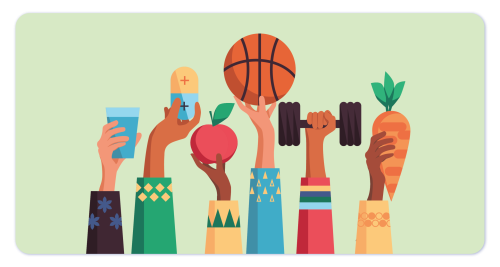
Research suggests that running provides a sense of hope and a tangible structure for change. The progressive goals of running, from a short jog to training for a marathon, allowed participants to envision a new life before they fully committed to ceasing substance use. This hope, rooted in the body and a new routine, was a powerful motivator for long-term change (Bogue Kerr & Moreau, 2025). By utilizing their bodies and feeling themselves moving again, individuals were able to believe that they were more capable than they had previously thought.
The Social Benefits of Running
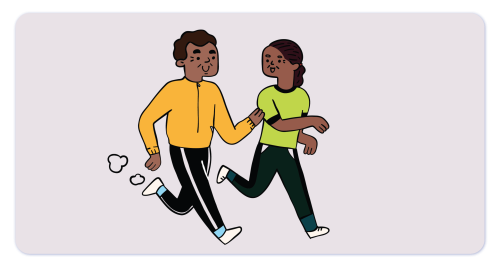
Recovery and the recovery process require individuals to change their social dynamics. Individuals who enter recovery are developing more positive friendships and finding more meaning within the relationships in their life. Research indicates that exercise can be helpful in this area as well. Engaging in physical activity, particularly in group settings, can help foster positive social connections. This is crucial for recovery, as isolation and loneliness are known risk factors for relapse. (Patterson et al., 2022) Through the development of new exercise routines, individuals in recovery can also change their peer groups and avoid the pitfalls of isolation. Exercise offers a solution on multiple fronts. Running can foster a sense of community that counters the social isolation often experienced in addiction. Participants could engage with the running community at their own pace, starting with small conversations about gear and gradually building deeper relationships (Bogue Kerr & Moreau, 2025).
The Missing Piece: Exercise in Addiction Recovery
Therapy is the most utilized intervention for the cessation of drug and alcohol use. As the understanding around drug and alcohol use has grown there have been advancements made in pharmacological therapies to aid in recovery. To enhance the success of those interventions, there is evidence that exercise can be a powerful addition to these more traditional approaches. Exercise was shown to reduce cravings as well as diminish drug seeking behavior in animal models (Marrero-Cristobal et al., 2022). Being physically active in recovery has shown to be beneficial on multiple fronts.
Healing the Brain, Strengthening the Self
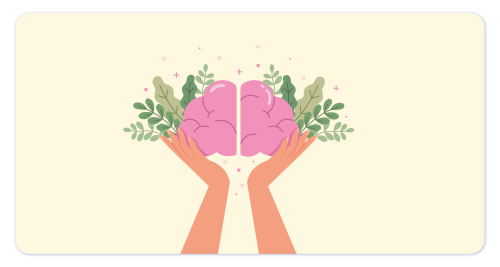
In addition to the physical component of recovering from substance use disorder is improving neurological functioning. Exercise has shown an ability to positively impact neurological functioning. According to Lu et al., 2021 aerobic exercise showed an increase in higher frequency brain rhythms associated with cognitive functioning. The study found that exercise significantly improved physical fitness and mental health as measured by quality of life. The authors conclude that exercise is a useful intervention for patients with AUD and can improve their physical and mental states. The authors conclude that exercise is a useful intervention for patients with AUD and can improve their physical and mental states (Gür and Can Gür 2020).
The evidence is clear. When dealing with substance use recovery exercise has been shown to be a powerful tool to help individuals’ recovery. Exercise’s ability to positively influence multiple dimensions of a person’s life is one of the reason’s it can be such a powerful resource. Exercise can improve an individual’s community and social connections. It can help with goal setting, and it has been shown to improve neurological functioning.
Blog Post Tags:
Related Blog Posts




Related Learning Labs




Related Resources
.
- Buscar Tratamiento de Calidad para Trastornos de uso de Sustancia (Finding Quality Treatment for Substance Use Disorders Spanish Version)
- Finding Quality Treatment for Substance Use Disorders
- Focus On Prevention: Strategies and Programs to Prevent Substance Use
- Monthly Variation in Substance Use Initiation Among Full-Time College Students
- The National Survey on Drug Use and Health (NSDUH) Report: Monthly Variation in Substance Use Initiation Among Adolescents